To pan-fry potatoes, cut them into even pieces, parboil them for a few minutes (or use leftover boiled potatoes), dry them well and fry them in a single layer in a wide frying pan with a few tablespoons of hot oil over medium-high heat. Leave them alone until the underside is golden, then turn them and keep going until they are crisp all over, which takes about 15 to 20 minutes. Add butter, onion and salt towards the end, not at the start.
Fried potatoes are simple, but easy to get wrong: pale and soggy, burnt outside and raw inside, or stuck to the pan. Below is the method step by step and which pan makes the job easiest. The pans in this guide are available from berghoff.lv, the official BergHOFF online store in Latvia, and from its sister shops for Lithuania, Estonia, Finland, Sweden and Denmark.
Which potatoes are best for frying?
Waxy potatoes (often labelled "firm" or "for salads") keep their shape and stay creamy inside; early summer new potatoes are lovely fried halved in their skins. Floury potatoes give the crunchiest crust but break up easily, so handle them gently. All-rounders sit in between. Leftover boiled potatoes from yesterday's dinner are perfect: they have dried out a little, so they brown faster and hold together better than freshly boiled ones.
How to pan-fry potatoes step by step
1. Cut them evenly
Dice the potatoes into cubes of about 2 cm, cut them into wedges, or slice them 5 to 7 mm thick. Even pieces cook at the same speed. Peeling is optional.
2. Raw or parboiled?
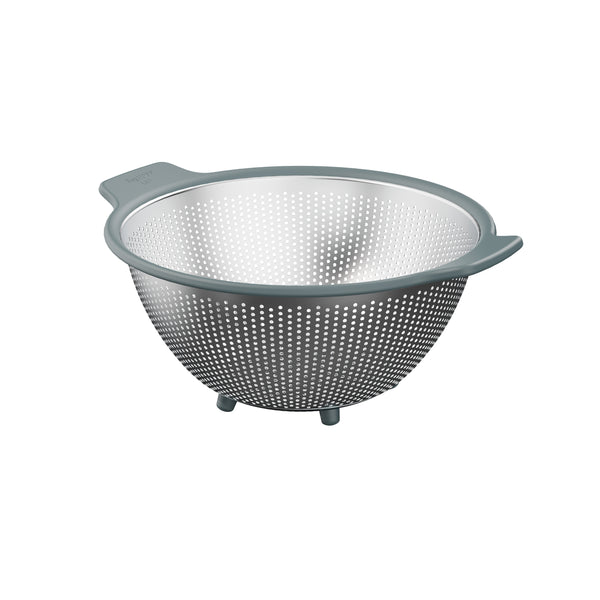
You can fry raw potatoes, but they need lower heat and more time so the inside cooks before the outside burns, often 25 to 30 minutes with a lid on for part of that time. Parboiling is quicker and more reliable: put the pieces in cold salted water, bring it to the boil and simmer for 5 to 7 minutes, until the edges are just soft but a knife still meets some resistance in the middle. Drain, give the colander a gentle shake to rough up the edges, and let them steam dry for a few minutes.
If you fry them raw, rinse the cut pieces in cold water to wash off surface starch, which otherwise makes them stick and go gluey.
3. Dry them properly
This is the step most people skip. Wet potatoes spit, steam instead of browning and stick, so pat them dry with a clean tea towel or kitchen paper.
4. Choose the fat
Use an oil that copes with high heat, such as rapeseed (canola) or sunflower oil, about 2 to 3 tablespoons for a 28 cm pan. Butter tastes wonderful but burns at frying temperature, so add a knob in the last few minutes. A non-stick pan needs a little less fat than stainless steel, but potatoes always crisp better with a proper film of oil.
5. Get the pan hot and do not crowd it
Heat the pan over medium to medium-high heat, add the oil and wait until it shimmers. Then add the potatoes in a single layer, cut side down where possible. Every piece should touch the base. Piled up, they steam and never get crisp. Too many for one pan? Fry two batches or use a bigger pan.
6. Leave them alone, then turn
Resist the urge to stir. Let the potatoes sit for 5 to 7 minutes until the underside is deep golden and releases easily, then turn them with a thin turner and repeat. In stainless steel, a piece that sticks usually is not ready yet: give it another minute and it will let go on its own. Keep turning every few minutes until they are crisp on most sides and tender inside. Parboiled potatoes need 15 to 20 minutes in total.
7. Season at the end
Salt draws out moisture, so add it once the potatoes have a crust. In the last few minutes add sliced onion, a knob of butter and perhaps a crushed garlic clove, then finish with dill, chives or black pepper. Serve straight away: fried potatoes soften if they wait under a lid.
Common problems and how to fix them
| Problem | Likely cause | What to do |
|---|---|---|
| Pale, soft potatoes | Pan too crowded, potatoes wet, heat too low | Fry in one layer, dry the pieces well, turn the heat up a notch |
| Burnt outside, hard inside | Raw potatoes on too high a heat, pieces too big | Parboil first, cut smaller, or cover the pan for the first 10 minutes on lower heat |
| Stuck to the pan | Pan not hot enough, turned too early, surface starch | Preheat the pan, rinse raw potatoes, wait until the crust releases on its own |
| Potatoes falling apart | Floury potatoes boiled too long or stirred too often | Parboil for less time, turn gently with a wide turner |
Which pan is best for frying potatoes?
Three things matter more than the brand: a wide, flat base that holds heat well, enough room to fry in a single layer, and a surface you are comfortable with. Here is how the main materials compare for potatoes.
| Pan | Good for potatoes because | Keep in mind |
|---|---|---|
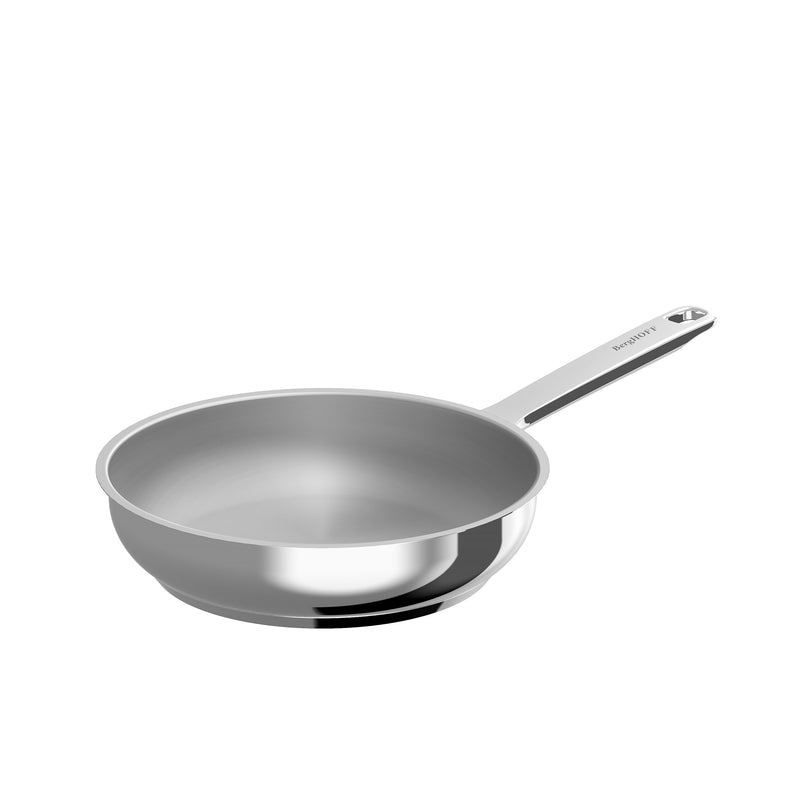
| Stainless steel | Builds the deepest golden crust and copes with high heat; Helix and Graphite stainless steel pans are ovenproof up to 250 °C and dishwasher safe | Needs proper preheating and enough oil, and you must wait for the crust before turning |
| Non-stick (ceramic coating) | Forgiving: potatoes release easily and you need less fat; easy to clean | Best on medium to medium-high heat; use a silicone or nylon turner; hand washing is recommended |
| Cast iron | Holds heat superbly, so a full pan of potatoes does not cool it down | Heavy, slow to heat and needs seasoning and drying after washing |
Stainless steel: for the crispest crust
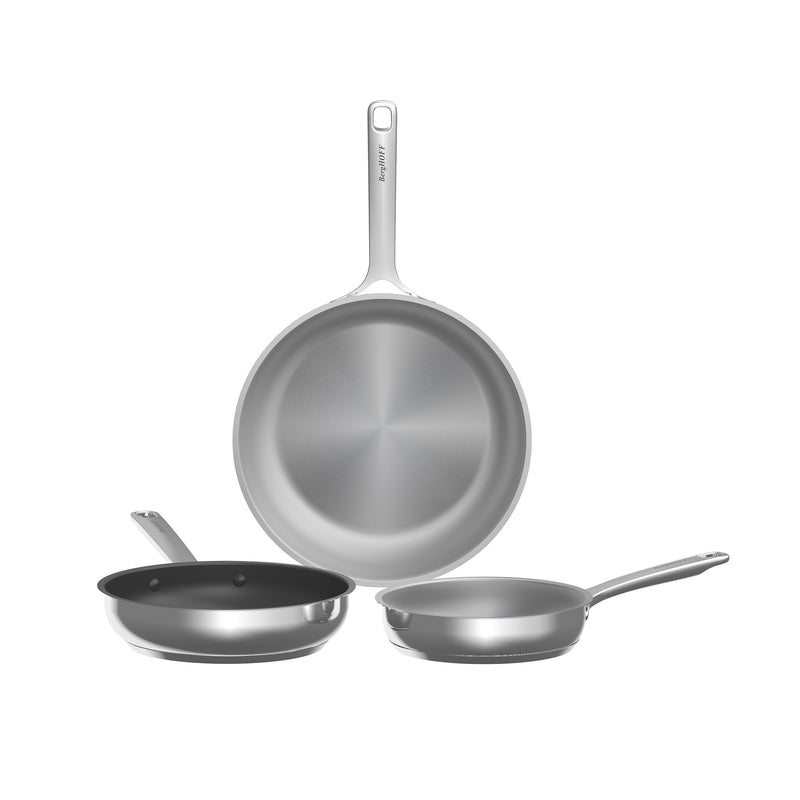
For deeply browned potatoes, stainless steel is hard to beat. The Helix Stainless Steel Frying Pan 24 cm and the Graphite Stainless Steel Frying Pan 24 cm both have a capsuled base that spreads heat evenly on every hob, induction included, and the Graphite pan has a surface treatment designed for easier food release. For bigger batches, the Helix 3-piece set includes a 28 cm stainless steel pan, plus a 20 cm stainless and a 24 cm non-stick pan. You will find them all among our stainless steel frying pans.
Non-stick: the easy option
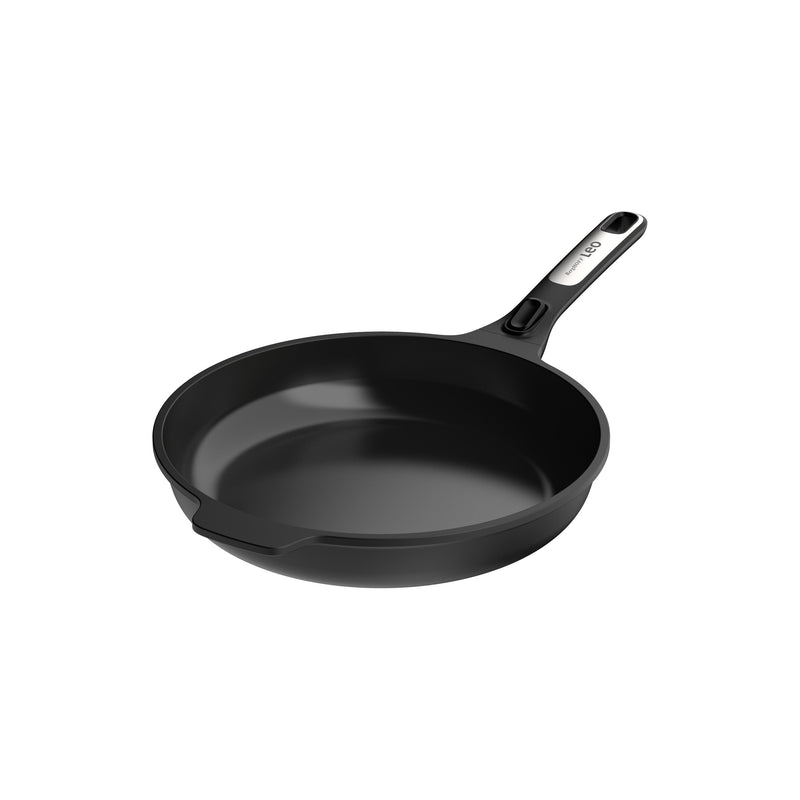
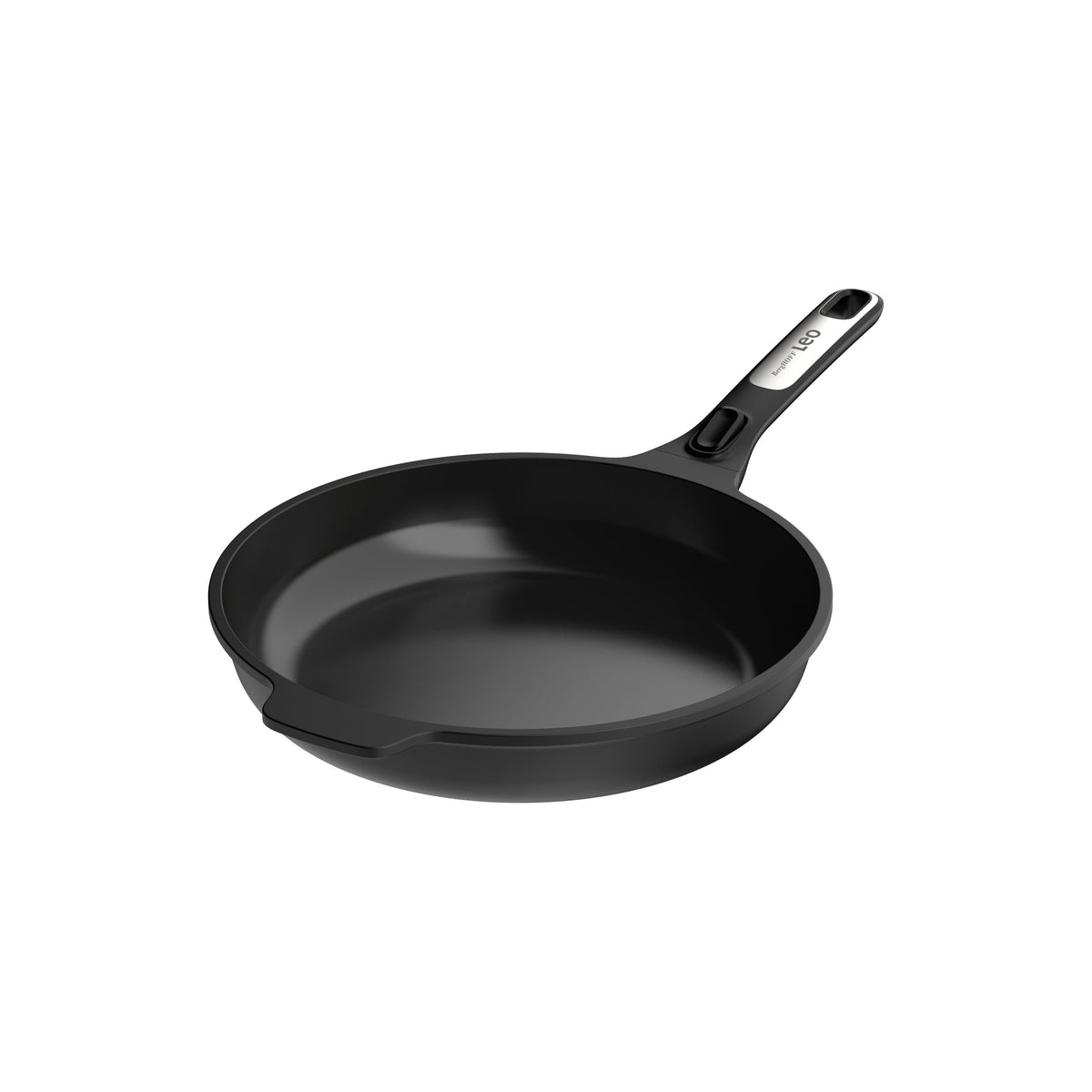
Non-stick is the most forgiving choice. All BergHOFF non-stick frying pans have a CeraGreen ceramic coating, which according to the manufacturer is PFAS-free. A handy model for potatoes is the Phantom Non-stick Frying Pan 28 cm: once you detach the handle it can go in the oven up to 230 °C, so you can crisp a big batch on the hob and finish it in the oven. The Graphite Non-stick Frying Pan 28 cm, with a stainless steel handle, is also ovenproof to 230 °C, while the Balance, Helix, Glints and Dune pans go up to 180 °C.
Cast iron: if you already have one
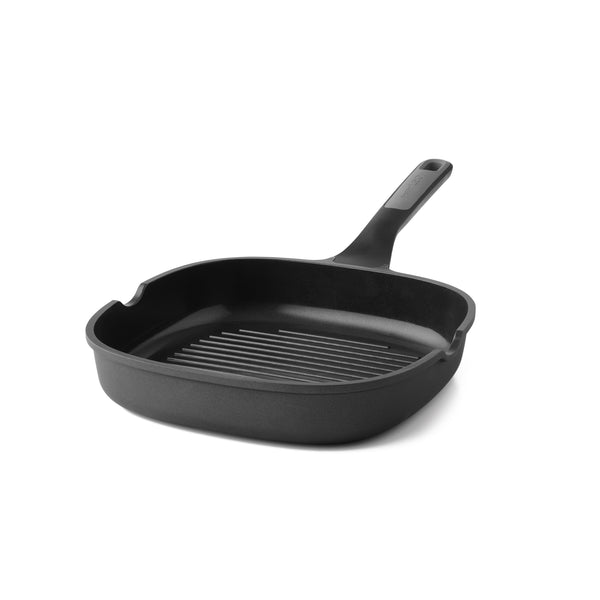
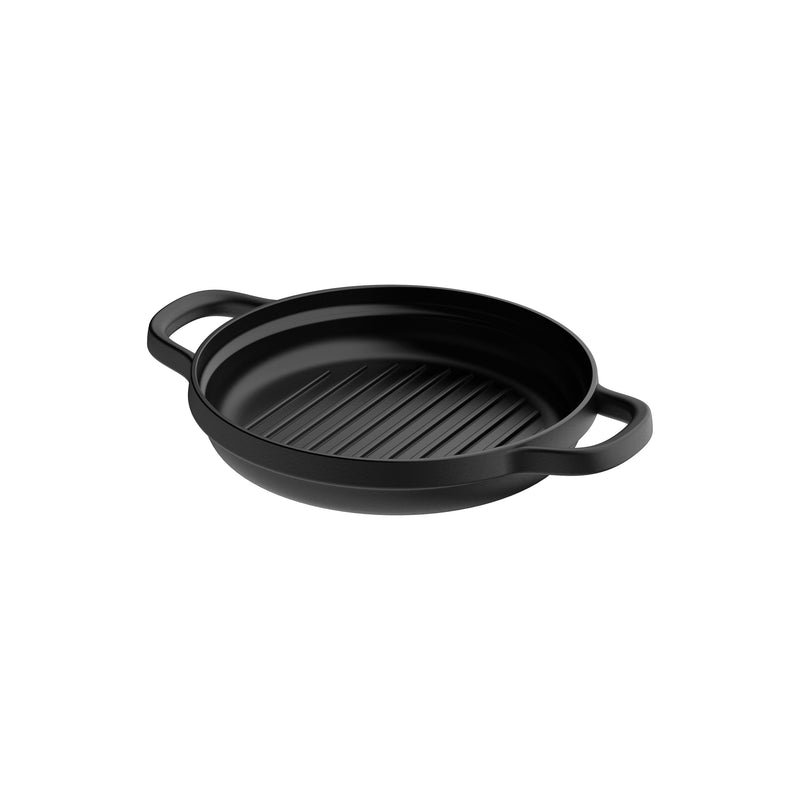
A cast iron skillet makes excellent fried potatoes because it barely loses heat when the potatoes go in. The BergHOFF cast iron range currently consists of a grill pan and a casserole, though, and the ridges of a grill pan are not ideal for diced potatoes. If you already own a cast iron skillet, see our cast iron frying pan guide for seasoning and care. Still undecided between the first two? Read stainless steel vs non-stick frying pan.
What size pan do you need?
Potatoes must lie in a single layer, and the flat base is smaller than the rim (the Dune Non-stick Frying Pan 28 cm has a 19.5 cm base). As a rough guide:
- 24 cm: a side dish for one or two, about 300 to 400 g of potatoes.
- 28 cm: the all-rounder, enough for two to three people, roughly 500 to 700 g. Browse all 28 cm frying pans.
- 30 to 32 cm: for a family or a main course of fried potatoes. The Glints 32 cm, Phantom 32 cm and Balance 30 and 32 cm non-stick pans give you plenty of room.
For a more detailed comparison, see our guide to frying pan sizes.
A sauté pan with a lid for raw potatoes
If you often fry raw potatoes, try a sauté pan with a lid: cover it for the first 10 minutes so they cook through, then uncover and let them crisp. The Stone+ Non-stick Covered 2-Handle Sauté Pan 28 cm is made with exactly this kind of dish in mind, and the Helix Stainless Steel Covered 2-Handle Sauté Pan 28 cm does the same in stainless steel, with a glass lid that has a steam vent. Both are among our sauté pans.
The right turner
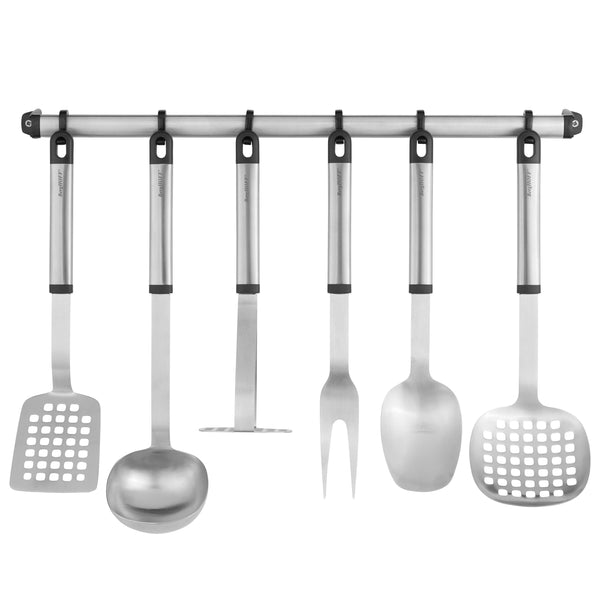
A thin, wide turner slides under the crust without breaking the potatoes. The Balance Slotted Turner has a flexible edge and slots that let the fat drain off, and like the Graphite Flexible Turner it will not scratch a non-stick coating. See all turners and spatulas.
What to serve with fried potatoes
The same pan often cooks the rest of the meal:
- Steak, chops or sausages: fry the meat first, let it rest and use the same hot pan for the potatoes. See our pans for steak.
- Eggs: fried potatoes with a fried egg on top make a classic breakfast or late supper, much like Swedish pytt i panna or Danish biksemad. A non-stick pan from the pans for eggs and omelettes handles both.
- Fish: crisp potato cubes with pan-fried salmon or herring and a spoonful of dill and soured cream.
You can browse the whole range of frying pans by size and material.
FAQ
Do I have to boil potatoes before frying them?
No, but it helps. Parboiled or leftover boiled potatoes take 15 to 20 minutes and turn out crisp outside and fluffy inside. Raw potatoes take longer and need lower heat, ideally with a lid for the first part of the cooking.
How do I keep fried potatoes from sticking?
Dry them well, preheat the pan and the oil, fry in a single layer and do not turn them until the crust releases on its own. Rinsing raw potatoes to wash off the starch also helps. A non-stick pan is the most forgiving.
How long does it take to pan-fry potatoes?
About 15 to 20 minutes for parboiled pieces of 2 cm and 25 to 30 minutes for raw ones, depending on the size of the pieces and how full the pan is.
Can I reheat fried potatoes?
Yes, in a hot frying pan with a little oil or in the oven. The microwave makes them soft.